
Get "Classics to Your Own Voice" Today
Get "Classics to Your Own Voice" Today
Get "Classics to Your Own Voice" Today
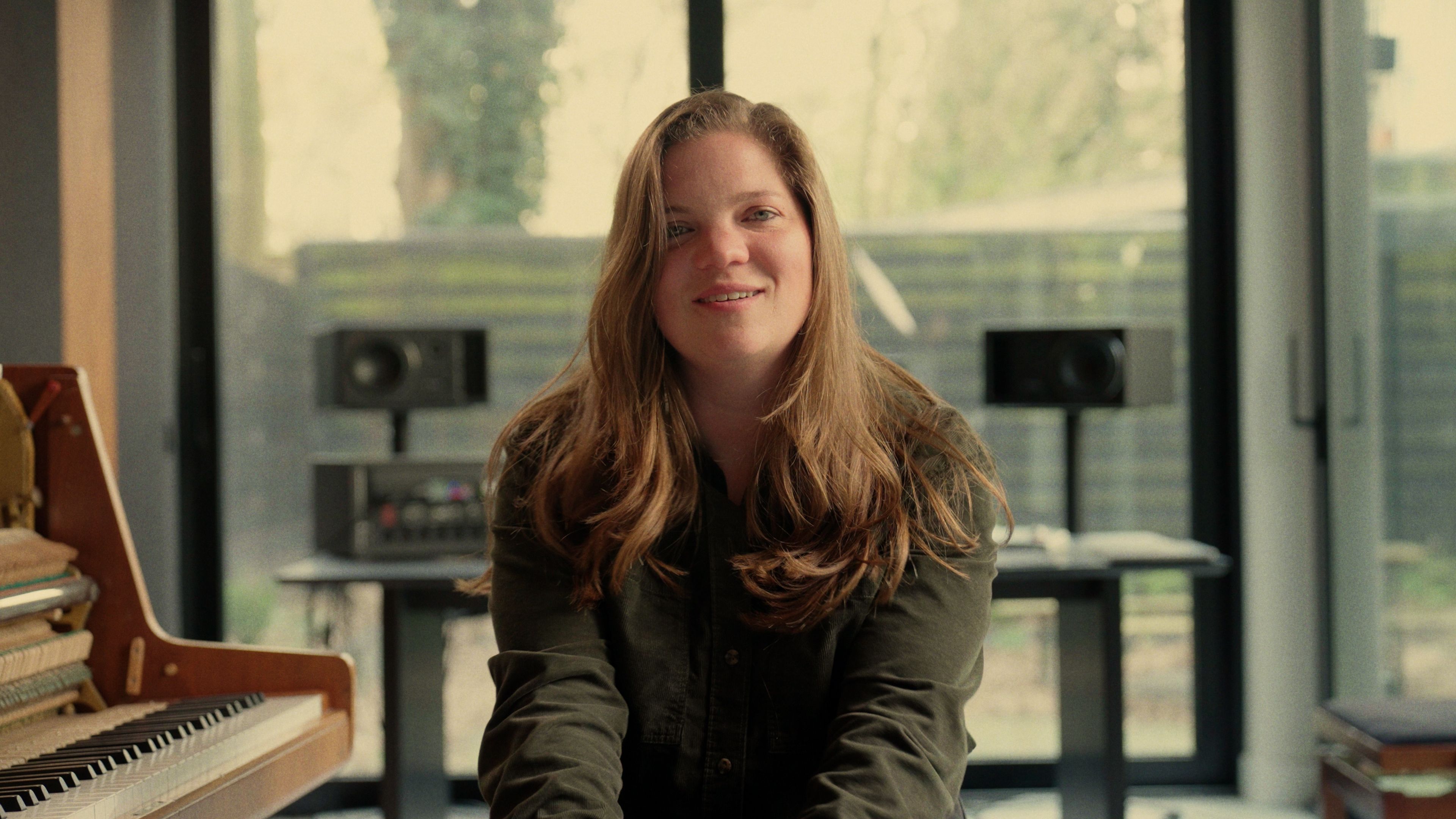
Classics to Your Own Voice
Classics to Your Own Voice: Piano Technique & Neo-Classical Composition
Muriel Bostdorp
Muriel Bostdorp
Muriel studied classical piano and never stopped loving it. Her favourite composer is Mozart. She has played his sonatas more times than she can count. But alongside that classical foundation, she developed a second voice: the neo-classical compositions that now reach listeners on streaming platforms worldwide and fill concert halls across the Netherlands.
Her show Unravel is the clearest expression of how she holds both worlds together. Classical and neo-classical, on the same stage, in the same programme, played by the same hands. This masterclass is built from the same conviction: that the classical tradition is not something to leave behind. It is something to bring with you.
"Try to create something that really resonates with yourself."
About the Artist
In this masterclass, pianist and composer Muriel teaches from both sides of the piano: the classical training that shaped her playing and the neo-classical compositions she releases to listeners around the world. Her live show Unravel is built around exactly this bridge. With 35 students each week, she has learned which details make the real difference. Not just which notes to play, but how to play them. Technique, in her teaching, exists to serve expression. A well-placed rubato, the right use of the pedal, an understanding of why a minor chord sounds different from a major one: these are the tools that turn notes into music.
"Just find the right chords that resonate with you at the moment, and then try to find your melody."
What You'll Learn
This masterclass moves between technique, theory, inspiration, and composition, giving you the tools to both play and create.
You'll learn how to:
warm up effectively using chord movements that build familiarity across the full range of the keyboard
build major and minor chords from intervals and understand the difference between them by ear
play chords as block chords, broken chords, and in open voicings for different emotional textures
use rubato to add emotional depth and rhythmic freedom within a measure without losing the pulse
apply the sustain pedal to transform dry, disconnected notes into connected, romantic phrases
study a piece effectively: one hand at a time, correct fingering, repeated until muscle memory takes hold
draw inspiration from classical composers including Mozart, Schubert, and Max Richter and transform it into your own compositions
compose a waltz from scratch, from finding a chord progression to discovering a melody and building a structure
understand the compositional choices behind three complete original pieces: Dreams, Places, and Ellipse
The Art of Listening and Borrowing
Muriel's compositional process begins with deep listening. She studies pieces by Max Richter, Mozart, Schubert, and contemporary composer Majoie Majary not to imitate them but to understand what draws her to their music. A chord progression from Schubert's Impromptu, played slowly and stripped of everything except the harmony, becomes the seed of something new. A rhythmic choice from Majary, the triplets and thirty-second notes that run through her work, finds its way into a piece Muriel wrote in her honour.
Through close comparisons of source material and her own compositions, she shows exactly where the borrowing happened and where it ended. She changed the key but kept the feeling. She used the same melody but moved it to the left hand. She took the octave passage she loved and gave it her own harmonic ending. The result is always traceable to something she heard, and always unmistakably her own.
Technique in Service of Expression
The masterclass is built around a single conviction: playing beautifully is not about playing perfectly. Muriel walks through three of her own compositions, Dreams, Places, and Ellipse, showing not just the notes but the decisions behind them. When to hold back. When to accelerate slightly within a measure. How the pedal changes everything. How a repeated theme, played an octave higher, sounds like a memory of something the listener already knows.
Her approach to practice reflects the same philosophy. She does not recommend playing a piece through from beginning to end. She recommends zooming in, one system at a time, with the right fingering, until the hands know what to do without thinking. Then, and only then, does the music have room to breathe.
About the Artist
In this masterclass, pianist and composer Muriel teaches from both sides of the piano: the classical training that shaped her playing and the neo-classical compositions she releases to listeners around the world. Her live show Unravel is built around exactly this bridge. With 35 students each week, she has learned which details make the real difference. Not just which notes to play, but how to play them. Technique, in her teaching, exists to serve expression. A well-placed rubato, the right use of the pedal, an understanding of why a minor chord sounds different from a major one: these are the tools that turn notes into music.
"Just find the right chords that resonate with you at the moment, and then try to find your melody."
What You'll Learn
This masterclass moves between technique, theory, inspiration, and composition, giving you the tools to both play and create.
You'll learn how to:
warm up effectively using chord movements that build familiarity across the full range of the keyboard
build major and minor chords from intervals and understand the difference between them by ear
play chords as block chords, broken chords, and in open voicings for different emotional textures
use rubato to add emotional depth and rhythmic freedom within a measure without losing the pulse
apply the sustain pedal to transform dry, disconnected notes into connected, romantic phrases
study a piece effectively: one hand at a time, correct fingering, repeated until muscle memory takes hold
draw inspiration from classical composers including Mozart, Schubert, and Max Richter and transform it into your own compositions
compose a waltz from scratch, from finding a chord progression to discovering a melody and building a structure
understand the compositional choices behind three complete original pieces: Dreams, Places, and Ellipse
The Art of Listening and Borrowing
Muriel's compositional process begins with deep listening. She studies pieces by Max Richter, Mozart, Schubert, and contemporary composer Majoie Majary not to imitate them but to understand what draws her to their music. A chord progression from Schubert's Impromptu, played slowly and stripped of everything except the harmony, becomes the seed of something new. A rhythmic choice from Majary, the triplets and thirty-second notes that run through her work, finds its way into a piece Muriel wrote in her honour.
Through close comparisons of source material and her own compositions, she shows exactly where the borrowing happened and where it ended. She changed the key but kept the feeling. She used the same melody but moved it to the left hand. She took the octave passage she loved and gave it her own harmonic ending. The result is always traceable to something she heard, and always unmistakably her own.
Technique in Service of Expression
The masterclass is built around a single conviction: playing beautifully is not about playing perfectly. Muriel walks through three of her own compositions, Dreams, Places, and Ellipse, showing not just the notes but the decisions behind them. When to hold back. When to accelerate slightly within a measure. How the pedal changes everything. How a repeated theme, played an octave higher, sounds like a memory of something the listener already knows.
Her approach to practice reflects the same philosophy. She does not recommend playing a piece through from beginning to end. She recommends zooming in, one system at a time, with the right fingering, until the hands know what to do without thinking. Then, and only then, does the music have room to breathe.
Included In this Course
Muriel Bos dorp reference guide with technique exercises, chord frameworks, and composition notes for Dreams, Places, and Ellipse
Course Level
Beginner


Stay up to date.
Subscribe to our Newsletter to stay up-to-date on latest classes, updates, news and discounts from us.
By subscribing you agree to with our Privacy Policy and provide consent to receive updates from our company.

Copyright © 2026 - MasterPiano

Stay up to date.
Subscribe to our Newsletter to stay up-to-date on latest classes, updates, news and discounts from us.
By subscribing you agree to with our Privacy Policy and provide consent to receive updates from our company.
Copyright © 2026 - MasterPiano
Stay up to date.
Subscribe to our Newsletter to stay up-to-date on latest classes, updates, news and discounts from us.
By subscribing you agree to with our Privacy Policy and provide consent to receive updates from our company.
Copyright © 2026 - MasterPiano